By Alex Reschka · Published October 10, 2024 · Last Updated: March 2026 · 8 min read
Building a home in Michigan in 2026 costs between $200 and $400 per square foot on average, putting a 2,000 sq ft home in the $400,000–$800,000 range before land. Oakland County custom homes with high-end finishes typically run $350–$500 per square foot. This guide covers cost by size, key factors driving price, and practical budgeting strategies.
Cost Breakdown by Square Footage
Before looking at individual cost drivers, it helps to anchor expectations with square-footage benchmarks. These figures reflect 2026 Michigan market conditions and assume standard-to-mid-range finishes. Custom or high-end specifications will push costs higher.
| Home Size | Cost per Sq Ft (Michigan) | Total Cost Range |
|---|---|---|
| 1,000 sq ft | $200–$300 | $200,000–$300,000 |
| 2,000 sq ft | $250–$400 | $500,000–$800,000 |
| 3,000+ sq ft | $300–$500 | $900,000–$1,500,000+ |
Note: High-end finishes, high-end materials, and complex architectural features can push costs well above these ranges, particularly in Oakland County and other high-demand suburban markets.
Oakland County vs. Michigan vs. National: Cost Comparison
Oakland County consistently runs above the Michigan statewide average due to higher land values, stronger demand for custom finishes, and a competitive skilled-labor market. The table below compares 2026 estimates across three geographies for a 2,000 sq ft home.
| Geography | Cost per Sq Ft | 2,000 Sq Ft Total (Est.) |
|---|---|---|
| Oakland County, MI | $350–$500 | $700,000–$1,000,000 |
| Michigan (statewide avg.) | $200–$400 | $400,000–$800,000 |
| U.S. National Average | $150–$350 | $300,000–$700,000 |
1,000 Sq Ft
A 1,000-square-foot new build is typically a starter home or compact residence. While the cost per square foot may run slightly higher than larger homes (because fixed costs like HVAC and plumbing are spread over fewer square feet), the total project cost remains more accessible. Systems like heating, air conditioning, and electrical infrastructure cost nearly the same whether the home is 1,000 or 2,000 square feet.
2,000 Sq Ft
Many single-family homes fall into this category. Adding more square footage often lowers the cost per square foot slightly as fixed costs are amortized over more space. However, design complexity, upgraded materials, or specialized interior finishes will push the final number higher. A 2,000 sq ft home in Oakland County with quality finishes typically lands between $700,000 and $1,000,000 total, including site work.
3,000+ Sq Ft
A spacious custom home of 3,000 square feet or more carries a wide cost range. High-end finishes, elaborate exterior treatments (stone facades, custom millwork), or advanced systems (geothermal heating, home automation) can dramatically increase the cost of construction. Budget for contingencies of 15% or more on larger projects where scope changes are more common.
Key Factors Affecting Home-Building Costs
Land Costs and Site Preparation
Land is one of the biggest variables in any Michigan home build. Urban and suburban lots—particularly in Oakland County communities like Birmingham, Bloomfield Hills, and Troy—carry premiums that rural land does not. Beyond the purchase price, site preparation adds cost: foundation excavation, grading, drainage engineering, and soil remediation (if needed) can add $20,000–$80,000 or more before a single wall goes up.
Home Size and Square Footage
Larger homes require more materials, more labor hours, and more complex structural planning. As noted, smaller homes can paradoxically carry a higher cost per square foot because fixed costs don't scale down proportionally. When comparing bids, always evaluate total cost alongside cost per square foot to get a complete picture.
Design Complexity and Custom Features
Design complexity is a primary cost driver. A straightforward floor plan with standard finishes costs significantly less than a home with cantilevered sections, vaulted ceilings, large structural openings, or custom millwork. Each design decision that departs from standard framing or trade rough-in adds cost in both materials and skilled labor time.
Material Selection and Interior Finishes
From roofing materials to plumbing fixtures, material selection affects total cost at every stage. Premium hardwood floors, imported tile, custom cabinetry, and high-end appliances each add thousands to the project. Even lower-profile choices—paint grades, hardware, door profiles—accumulate quickly across a full home. Specify materials early to lock in pricing and avoid mid-project substitutions that can delay timelines.
Labor Costs and Skilled Labor Shortages
Wages for skilled tradespeople—framers, masons, electricians, plumbers—have risen steadily in Michigan in recent years. The construction industry continues to face a shortage of experienced workers, which means longer lead times for subcontractor scheduling and higher bids. In Oakland County, where expectations for quality are high and competition for top trades is intense, labor often represents 30–40% of total project cost.
Permits, Building Codes, and Michigan Regulations
Michigan requires building permits for new construction, and local municipalities add their own requirements. Permit fees typically range from $500 to $5,000+ depending on project scope. Oakland County communities like Birmingham and Bloomfield Township are known for thorough plan review processes. Factor in permit timelines when scheduling your build—some jurisdictions take 6–12 weeks for initial approval.
Mechanical and Major Systems (HVAC, Plumbing, Electrical)
HVAC, plumbing, and electrical systems typically account for 15–25% of a home's total construction cost. More advanced setups—radiant floor heating, whole-home generators, EV charging infrastructure, or solar panel integration—increase upfront cost but can reduce long-term operating expenses. Specify these systems during the design phase so they're integrated into the structure, not added as afterthoughts.
Hidden and Long-Term Costs
When budgeting a new home build, the costs that don't appear in initial contractor bids are often the ones that cause financial strain mid-project. Plan for:
- Landscaping: Finish grading, seeding or sodding, trees, and hardscape (patios, driveways) can add $20,000–$100,000+ depending on the lot and design.
- Utility hookups: Water, sewer, gas, and electrical service connections cost more when the lot is not already serviced. Rural or infill lots may require significant infrastructure work.
- Future maintenance: Roof replacement, exterior painting, HVAC servicing, and driveway resurfacing should be factored into long-term ownership cost projections.
- Insurance and property taxes: New custom homes in Oakland County often carry higher property tax assessments than comparable existing homes. Homeowner's insurance for new construction also varies by location and coverage level.
- Financing fees: Construction loans carry higher interest rates than permanent mortgages and often require monthly interest-only payments during the build phase. Factor in origination fees, inspection fees, and rate lock costs.
- Contingency reserve: Set aside 10–15% of the total project budget for unexpected conditions—difficult soil, unforeseen structural requirements, material price changes, or scope additions during construction.
Industry Conditions in 2026
The home-building environment in 2026 reflects several ongoing pressures. According to the National Association of Home Builders (NAHB), builders continue to navigate elevated material costs, persistent skilled-labor shortages, and tighter lending conditions. Supply chain disruptions that originated in 2020–2021 have largely normalized, but lead times on specialty items (custom windows, certain mechanical equipment, engineered lumber) remain longer than pre-2020 norms.
Interest rates remain a significant factor for buyers financing new construction. Higher borrowing costs affect both the end buyer's purchasing power and the developer's construction loan expense, both of which pressure final sale prices upward.
In Oakland County specifically, demand for custom and semi-custom homes in the $800,000–$1,500,000 range remains strong, driven by homeowners who cannot find suitable existing inventory and choose to build instead.
The Custom Home Building Process
Building a single-family home from scratch in Michigan involves multiple overlapping phases. Most projects take 18 to 24 months from initial consultation through move-in. Understanding each phase helps you anticipate decisions, approvals, and expenditures before they arrive.
Consultation
Your first meeting with a design-build firm or general contractor sets project scope, budget parameters, and timeline expectations. This is where you discuss your must-haves, nice-to-haves, and budget ceiling. A reputable firm will provide honest feedback about what your budget can realistically achieve—and flag when expectations and budget are misaligned before you've spent money on plans.
Planning and Design
During the design phase, architects develop plans that reflect your program, the site, and local building codes. If you're working with a design-build firm, this phase is integrated with preconstruction estimating, so cost is evaluated alongside design decisions in real time. Expect this phase to take 3–6 months for a custom home, longer if you're working through complex site conditions or HOA approvals.
Construction Phase
Once permits are secured, construction follows a structured sequence:
- Site work and foundation: Excavation, foundation type selection (basement, crawl space, or slab), waterproofing, and backfill. Foundation type significantly affects total cost and future usability of the space.
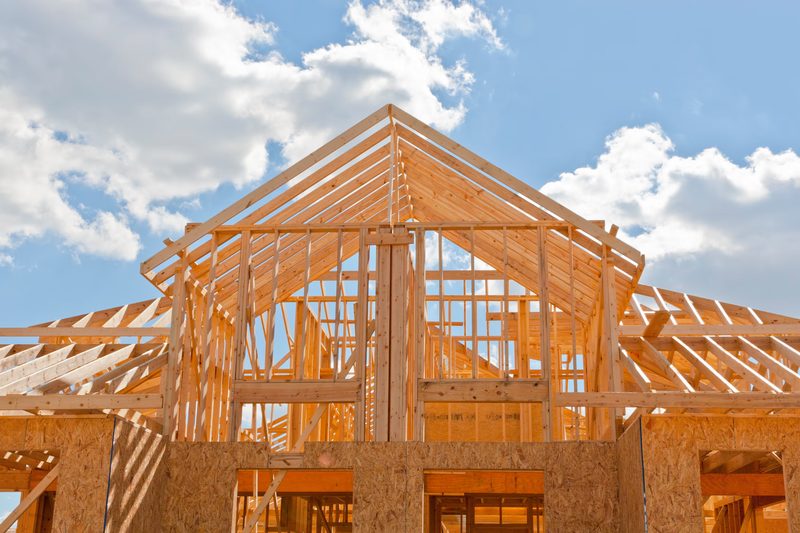
- Framing: The structural skeleton of the home is built, including roof structure and exterior sheathing. This phase moves quickly with an experienced crew.
- Mechanical rough-in: HVAC ductwork, plumbing supply and drain lines, and electrical wiring are installed inside walls before insulation and drywall close everything in.
- Insulation and drywall: Envelope performance is established at this stage. Choices made here affect energy bills for the life of the home.
- Interior finishes: Flooring, cabinetry, countertops, tile, paint, fixtures, and trim complete the interior. This phase is highly visible and often where homeowners make the most last-minute decisions—plan finish selections before construction begins to avoid delays.
- Exterior finishes: Siding, masonry, roofing, windows, and doors are installed and inspected.
Final Walkthrough
Before closing out the contract, you and your contractor conduct a detailed walkthrough to identify any items that need correction or completion. A thorough punch list process protects your investment. Confirm that all systems function correctly and that all permit inspections have been signed off before taking occupancy.
Practical Budgeting Tips
- Lock in material selections early. Late changes to specifications are expensive. Finalizing flooring, cabinetry, and fixture selections before construction begins prevents costly substitutions and schedule delays.
- Work with a reputable contractor. An experienced general contractor or design-build firm will help you avoid budget overruns, navigate permitting, and manage subcontractors. Check references and verify licensing before signing any contract.
- Get multiple bids on key trades. For major line items—framing, mechanical, cabinetry—competitive bids provide market-rate pricing benchmarks and protect against overcharging.
- Build in a contingency reserve. Set aside 10–15% of total project cost for unexpected conditions. Soil issues, structural complications, or supply delays are common even on well-planned projects.
- Evaluate energy efficiency investments carefully. Upgrades like enhanced insulation, high-efficiency HVAC, and solar panels have real payback periods. Run the numbers against your expected occupancy before committing to premium systems.
- Use a knowledgeable real estate professional for land acquisition. Land pricing in Oakland County moves quickly. A buyer's agent with new-construction experience can identify suitable lots, negotiate terms, and flag environmental or title issues before you're committed.
If you're planning a custom home in Michigan and want to understand what a realistic budget looks like for your specific program, visit our Custom Homes page or reach out to start a conversation. Reschka Design Build has guided Oakland County homeowners through the full design-build process since 2015.
Frequently Asked Questions
How much does it cost to build a house in Michigan in 2026?
Building a home in Michigan in 2026 typically costs between $200 and $400 per square foot, putting a 2,000 sq ft home in the $400,000–$800,000 range. Oakland County homes with custom finishes often run $350–$500 per square foot due to higher labor rates and material standards.
What is the cost per square foot to build a home in Oakland County, MI?
In Oakland County, Michigan, custom home construction in 2026 runs $350–$500 per square foot for high-end finishes, compared to the Michigan statewide average of $200–$400 per square foot. Higher land costs, skilled labor demand, and premium materials drive this premium.
What hidden costs should I expect when building a home in Michigan?
Beyond construction costs, budget for land acquisition, site preparation, building permits ($500–$5,000+), utility hookups, landscaping, financing fees, and a 10–15% contingency reserve for unexpected conditions such as poor soil or supply delays.
How long does it take to build a custom home in Michigan?
Most custom home builds in Michigan take 18 to 24 months from initial consultation through final walkthrough. Factors like permit timelines, design complexity, and material lead times can extend the schedule.
Should I use a design-build firm or a general contractor to build my home?
A design-build firm like Reschka Design Build manages architecture and construction under one contract, reducing coordination risk and often compressing the timeline. A general contractor requires you to hire a separate architect and coordinate between teams, which adds complexity to a high-stakes project.